

Introduction:
Box trucks play a vital role in the transportation industry, providing a versatile solution for delivering goods across various industries. One of the most significant advantages of box trucks is their spacious cargo area, allowing businesses to transport a wide range of goods efficiently. In this article, we will delve into the world of box truck cargo space, exploring its dimensions, considerations for maximizing capacity, and innovative solutions for optimizing efficiency.
1. Understanding Box Truck Cargo Space:
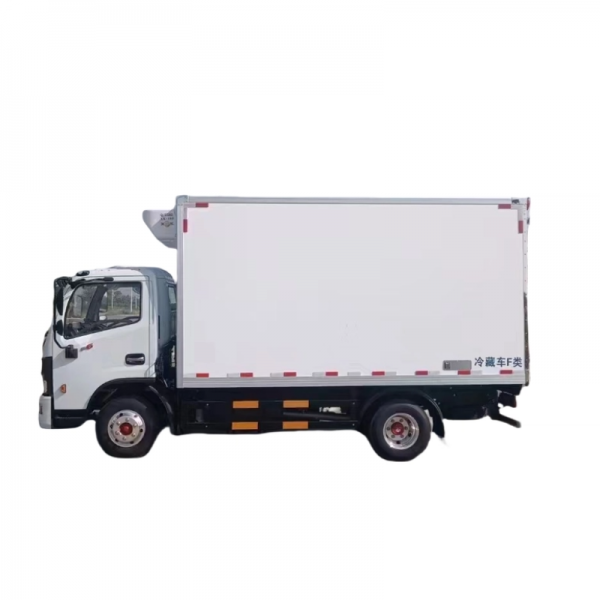
Box trucks, also known as cube vans or box vans, are characterized by their enclosed cargo area. This enclosure is typically made of aluminum or fiberglass-reinforced panels, providing protection against external elements and ensuring the security of the cargo. The dimensions of box truck cargo space can vary depending on the make and model, but common sizes range from 10 to 26 feet in length, with heights ranging from 6 to 8 feet.
2. Factors Affecting Box Truck Cargo Capacity:
To make the most of box truck cargo space, it is crucial to understand the factors that can impact its capacity. These considerations include:
2.1. Weight Restrictions:
Box trucks have weight restrictions imposed by local regulations and the vehicle's gross vehicle weight rating (GVWR). It is essential to adhere to these guidelines to ensure safe and legal operation while maximizing cargo capacity.
2.2. Internal Structure:
Box trucks often have internal structures such as wheel wells, support beams, and refrigeration units, which reduce the available cargo space. Being aware of these structures and planning accordingly can help optimize the utilization of the available space.
2.3. Loading and Unloading Equipment:
The presence of loading and unloading equipment, such as lift gates or ramps, can impact the usable cargo space. It is important to consider the dimensions and positioning of these elements when planning the loading and arrangement of goods.
3. Maximizing Box Truck Cargo Capacity:
To maximize box truck cargo capacity, it is necessary to employ efficient loading and organization strategies. Here are some tips to optimize the space available:
3.1. Utilize Vertical Space:
Make use of the vertical space within the box truck by stacking goods securely. However, it is crucial to ensure that stacking does not compromise safety or stability during transportation. Using cargo nets or straps can help prevent shifting and damage to the goods.
3.2. Modular Storage Solutions:
Implementing modular storage solutions, such as adjustable shelving or cargo containers, can help maximize the use of available space. These solutions allow for flexible arrangements and efficient organization, ensuring easy access to goods and preventing wasted space.
3.3. Consider Load Distribution:
Distribute the weight of the cargo evenly to maintain stability during transportation. Placing heavier items on the bottom and lighter items on top helps prevent shifting and potential damage to the goods.
3.4. Utilize Bulkheads or Partitions:
Installing bulkheads or partitions within the box truck can help separate different types of cargo, preventing damage and facilitating efficient unloading. These structures can also act as additional support, ensuring the stability of the cargo during transportation.
3.5. Use boom truck -Downs and Straps:
Secure the cargo using tie-downs and straps to prevent movement and damage during transit. These restraints not only ensure the safety of the goods but also optimize the use of available space by minimizing shifting.
4. Innovative Solutions for Optimizing Efficiency:
As technology advances, several innovative solutions have emerged to optimize box truck cargo space and increase efficiency. These solutions include:
4.1. Foldable and Collapsible Containers:
Foldable and collapsible containers are designed to maximize space utilization when empty or not in use. These containers can be easily folded or collapsed, reducing their volume and allowing for efficient storage within the box truck.
4.2. Track Systems:
Track systems installed on the walls or floor of the box truck provide flexible anchoring points for securing cargo. These systems enable adjustable tie-down points, ensuring that goods can be secured at various heights and positions, optimizing space utilization.
4.3. Sliding Shelving Units:
Sliding shelving units allow for easy access to goods while maximizing space efficiency. These units can be extended and retracted, providing access to items stored at the back of the box truck without the need for excessive shifting or rearranging.
4.4. Lift-Assist Technologies:
Lift-assist technologies, such as automated lift gates or hydraulic systems, streamline the loading and unloading process, reducing the time and effort required. These technologies not only enhance efficiency but also contribute to maximizing cargo capacity by minimizing wasted space due to inefficient handling.
Conclusion:
Box trucks offer a generous cargo space that can be optimized to its full potential by considering various factors and employing efficient loading and organization strategies. By understanding the dimensions, weight restrictions, and internal structures, businesses can maximize the use of box truck cargo space, ensuring efficient transportation and delivery of goods. Additionally, innovative solutions, such as foldable containers, track systems, sliding shelving units, and lift-assist technologies, further enhance efficiency and capacity utilization, catering to the evolving needs of the transportation industry. Embracing these strategies and solutions will undoubtedly unlock the true potential of box truck cargo space, driving businesses towards greater productivity and success.